



Nongshim
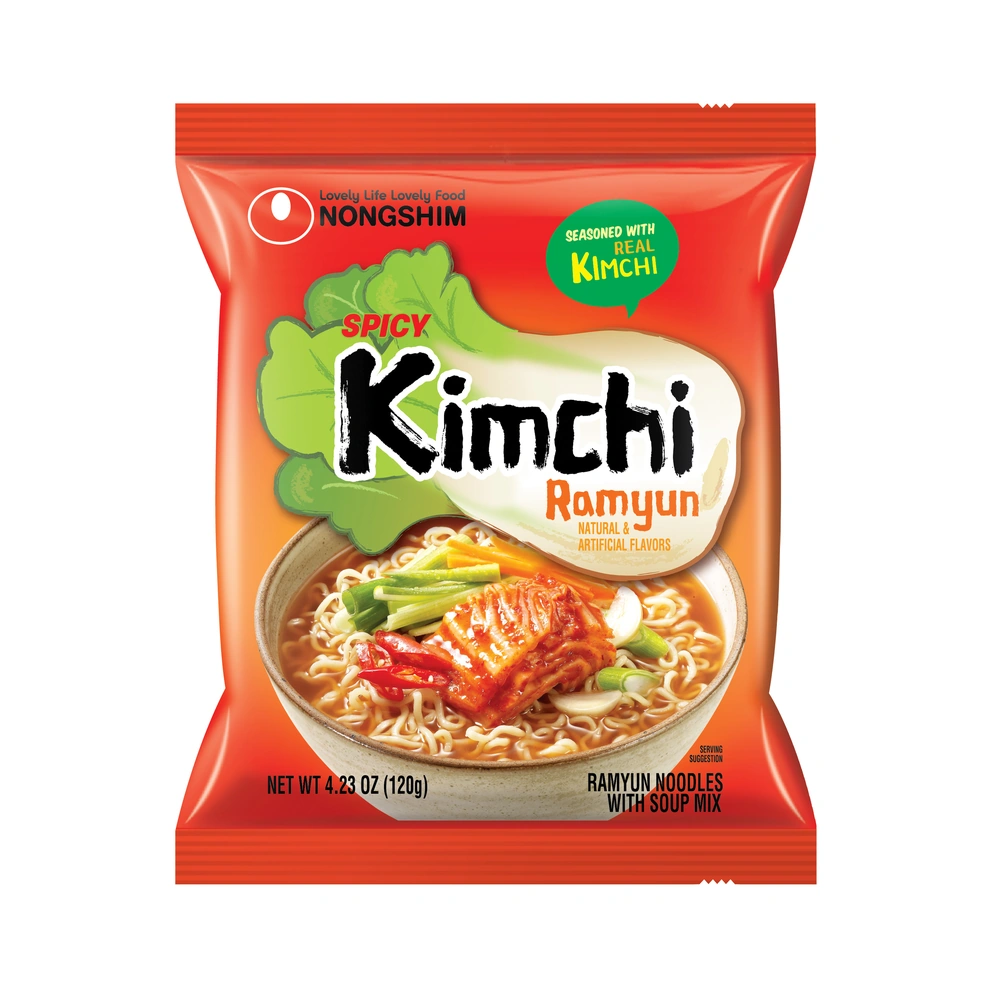
Nongshim Kimchi Ramen Cup, 2.64 oz, 6 ct Case
Nongshim Kimchi Ramen Cup
In Stock
Likely In Stock (Call to Confirm)
The Flavor Profile & Cultural Appeal (Why You’ll Love It)
Nongshim Kimchi Ramen Cup, 2.64 oz carries the unmistakable power of Korean fermentation: tang, crunch, chili warmth, and savory depth that can wake up an entire meal. In Korean home cooking, kimchi is not just a side dish; it is a living staple, a seasoning, a vegetable, and a source of comfort all at once. Its flavor is spicy-sour, tangy, moderately spicy, and savory, carried by a clear Kimchi character, shifting from crisp and bright when fresh to deeper and more complex as it matures. For the home cook, it brings instant personality to rice, noodles, soups, stews, eggs, grilled meat, and tofu. What makes it especially useful is how quickly it creates a sense of depth. Instead of tasting one-note, the best uses let its spicy-sour, tangy, moderately spicy, and savory, carried by a clear Kimchi character character mingle with fresh ingredients, heat, moisture, and time, so the final dish tastes rounded and lived-in rather than merely seasoned.
How to Prepare & Elevate It (Mastering the Preparation)
Serve Nongshim Kimchi Ramen Cup, 2.64 oz cold and crisp as a banchan, or cook it when you want deeper, rounder flavor. For the freshest bite, place it straight beside rice, grilled meat, noodles, dumplings, or eggs. For a richer dish, sauté it in a little oil, fold it into fried rice, simmer it into jjigae, tuck it into pancakes, or add it to ramen near the end. The brine is valuable too, so use it to season soups, sauces, and marinades. Upgrade with pork belly, tofu, scallions, sesame oil, gochugaru, mushrooms, or a soft egg. The key is to taste in layers. Add a little, let it cook into the dish, then adjust with water, stock, sweetness, acidity, heat, or fresh herbs. That small amount of attention is what makes a shortcut ingredient taste like thoughtful home cooking.
The Pantry MVP (Why It Deserves a Spot in Your Kitchen)
Nongshim Kimchi Ramen Cup, 2.64 oz is a refrigerator MVP because it does the work of many ingredients at once. It brings vegetable crunch, chili, garlic, acidity, fermentation, and umami, so even the simplest meal becomes more exciting. Spoon it beside rice, cook it into fried rice, simmer it into stew, or use the brine to sharpen sauces and marinades. It is especially valuable on busy nights because it adds complexity that would otherwise take time to build. Keep it cold, keep it close, and you will find yourself reaching for it constantly. That kind of reliability is why cooks keep reaching for it. It reduces decision fatigue, helps rescue leftovers, and gives weeknight meals a recognizable flavor direction before you have even decided exactly what else is going into the pan or pot.
The Flavor Profile & Cultural Appeal (Why You’ll Love It)
Nongshim Kimchi Ramen Cup, 2.64 oz carries the unmistakable power of Korean fermentation: tang, crunch, chili warmth, and savory depth that can wake up an entire meal. In Korean home cooking, kimchi is not just a side dish; it is a living staple, a seasoning, a vegetable, and a source of comfort all at once. Its flavor is spicy-sour, tangy, moderately spicy, and savory, carried by a clear Kimchi character, shifting from crisp and bright when fresh to deeper and more complex as it matures. For the home cook, it brings instant personality to rice, noodles, soups, stews, eggs, grilled meat, and tofu. What makes it especially useful is how quickly it creates a sense of depth. Instead of tasting one-note, the best uses let its spicy-sour, tangy, moderately spicy, and savory, carried by a clear Kimchi character character mingle with fresh ingredients, heat, moisture, and time, so the final dish tastes rounded and lived-in rather than merely seasoned.
How to Prepare & Elevate It (Mastering the Preparation)
Serve Nongshim Kimchi Ramen Cup, 2.64 oz cold and crisp as a banchan, or cook it when you want deeper, rounder flavor. For the freshest bite, place it straight beside rice, grilled meat, noodles, dumplings, or eggs. For a richer dish, sauté it in a little oil, fold it into fried rice, simmer it into jjigae, tuck it into pancakes, or add it to ramen near the end. The brine is valuable too, so use it to season soups, sauces, and marinades. Upgrade with pork belly, tofu, scallions, sesame oil, gochugaru, mushrooms, or a soft egg. The key is to taste in layers. Add a little, let it cook into the dish, then adjust with water, stock, sweetness, acidity, heat, or fresh herbs. That small amount of attention is what makes a shortcut ingredient taste like thoughtful home cooking.
The Pantry MVP (Why It Deserves a Spot in Your Kitchen)
Nongshim Kimchi Ramen Cup, 2.64 oz is a refrigerator MVP because it does the work of many ingredients at once. It brings vegetable crunch, chili, garlic, acidity, fermentation, and umami, so even the simplest meal becomes more exciting. Spoon it beside rice, cook it into fried rice, simmer it into stew, or use the brine to sharpen sauces and marinades. It is especially valuable on busy nights because it adds complexity that would otherwise take time to build. Keep it cold, keep it close, and you will find yourself reaching for it constantly. That kind of reliability is why cooks keep reaching for it. It reduces decision fatigue, helps rescue leftovers, and gives weeknight meals a recognizable flavor direction before you have even decided exactly what else is going into the pan or pot.