



United Noodles
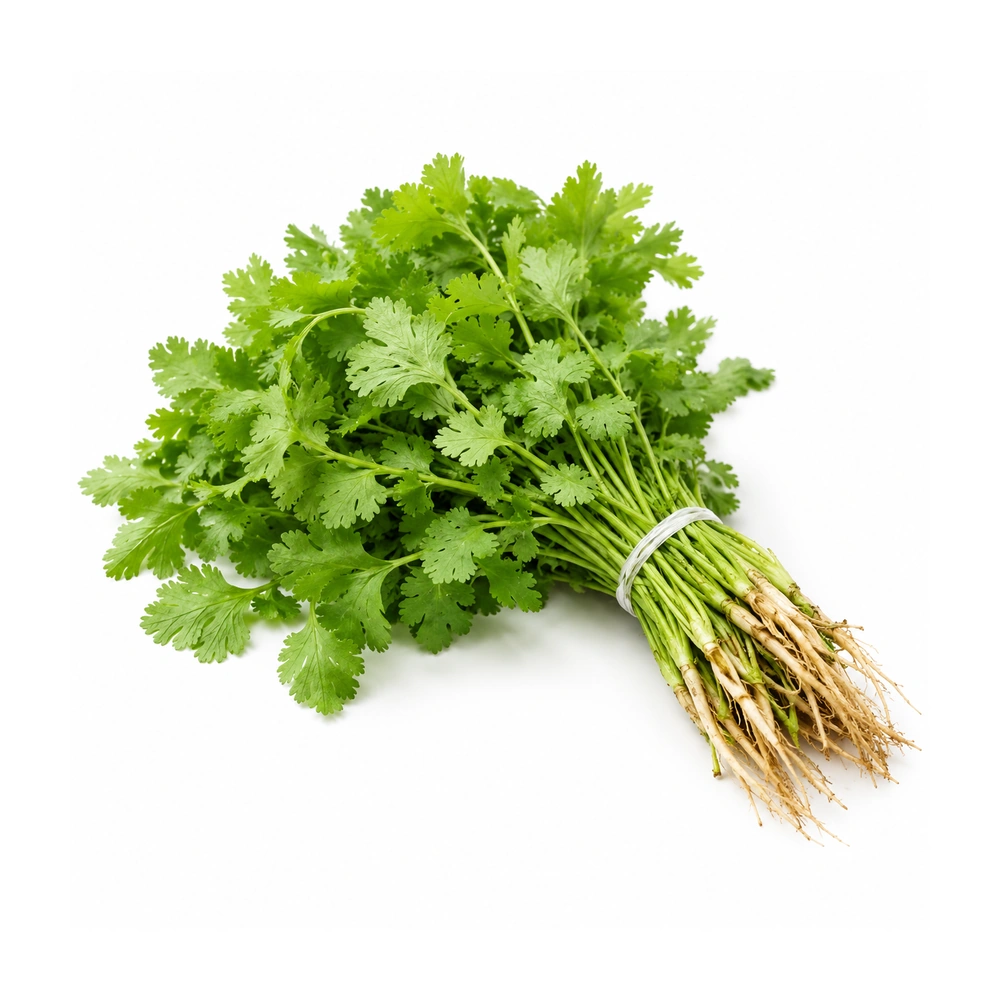
Cilantro
Cilantro
In Stock
Likely In Stock (Call to Confirm)
The Flavor Profile & Cultural Appeal (Why You’ll Love It)
Cilantro brings freshness, snap, aroma, and color to everyday Asian home cooking. Vegetables, herbs, fruits, and aromatics are essential because they brighten rich sauces, soften broths, give stir-fries texture, and make simple rice or noodle bowls feel alive. The flavor leans herbal, carried by a clear Cilantro character, which means it can either support the dish quietly or become the fresh note that wakes everything up. The cultural appeal is rooted in balance: cooked and raw, soft and crisp, savory and bright, all working together in the way great home cooking should. Its importance comes from how naturally it participates in balance. A good home-cooked meal needs contrast, and Cilantro helps create that contrast through texture, aroma, body, freshness, or substance, giving the cook a dependable way to make the plate feel complete.
How to Prepare & Elevate It (Mastering the Preparation)
Prepare Cilantro simply and let freshness do the work. Wash it well, trim only what you need, and cut it in a way that matches the dish: thin slices for quick stir-fries, larger pieces for soups and hot pot, fine cuts for garnishes, or crisp raw pieces for salads and dipping. Add delicate greens and herbs at the end so they stay bright, while sturdier vegetables can simmer, roast, pickle, or sear. To elevate the ingredient, pair it with garlic, ginger, scallions, sesame oil, soy sauce, miso, chili crisp, rice vinegar, tofu, noodles, steamed rice, or a clean broth that lets the natural flavor shine. Think in contrasts as you cook: tender with crisp, rich with fresh, mild with spicy, and soft with toasted or crunchy. That is how a simple preparation becomes memorable, even when the ingredient list is short and the cooking time is quick.
The Pantry MVP (Why It Deserves a Spot in Your Kitchen)
Cilantro deserves space in your kitchen because fresh ingredients are what keep rich, salty, spicy, and savory foods balanced. A handful can brighten noodles, deepen soup, add crunch to rice bowls, or turn a simple stir-fry into something vibrant. It also gives you flexibility: use it raw, cooked, pickled, simmered, or as a garnish depending on the meal. For busy home cooks, fresh produce is often the fastest upgrade available. It makes convenience foods taste fresher and homemade dishes feel more complete. It also plays well with pantry staples, which is what makes it so valuable. Pair Cilantro with rice, noodles, broth, eggs, tofu, vegetables, or a favorite sauce, and you have the foundation for meals that feel fresh, filling, and deeply practical.
Cuisine of Origin
Multi-Cuisine
Product Type
Fresh Herbs
Style
Cilantro
Storage Instructions
Refrigerate. Wash before eating.
Flavor Profile
Herbal
Tags
The Flavor Profile & Cultural Appeal (Why You’ll Love It)
Cilantro brings freshness, snap, aroma, and color to everyday Asian home cooking. Vegetables, herbs, fruits, and aromatics are essential because they brighten rich sauces, soften broths, give stir-fries texture, and make simple rice or noodle bowls feel alive. The flavor leans herbal, carried by a clear Cilantro character, which means it can either support the dish quietly or become the fresh note that wakes everything up. The cultural appeal is rooted in balance: cooked and raw, soft and crisp, savory and bright, all working together in the way great home cooking should. Its importance comes from how naturally it participates in balance. A good home-cooked meal needs contrast, and Cilantro helps create that contrast through texture, aroma, body, freshness, or substance, giving the cook a dependable way to make the plate feel complete.
How to Prepare & Elevate It (Mastering the Preparation)
Prepare Cilantro simply and let freshness do the work. Wash it well, trim only what you need, and cut it in a way that matches the dish: thin slices for quick stir-fries, larger pieces for soups and hot pot, fine cuts for garnishes, or crisp raw pieces for salads and dipping. Add delicate greens and herbs at the end so they stay bright, while sturdier vegetables can simmer, roast, pickle, or sear. To elevate the ingredient, pair it with garlic, ginger, scallions, sesame oil, soy sauce, miso, chili crisp, rice vinegar, tofu, noodles, steamed rice, or a clean broth that lets the natural flavor shine. Think in contrasts as you cook: tender with crisp, rich with fresh, mild with spicy, and soft with toasted or crunchy. That is how a simple preparation becomes memorable, even when the ingredient list is short and the cooking time is quick.
The Pantry MVP (Why It Deserves a Spot in Your Kitchen)
Cilantro deserves space in your kitchen because fresh ingredients are what keep rich, salty, spicy, and savory foods balanced. A handful can brighten noodles, deepen soup, add crunch to rice bowls, or turn a simple stir-fry into something vibrant. It also gives you flexibility: use it raw, cooked, pickled, simmered, or as a garnish depending on the meal. For busy home cooks, fresh produce is often the fastest upgrade available. It makes convenience foods taste fresher and homemade dishes feel more complete. It also plays well with pantry staples, which is what makes it so valuable. Pair Cilantro with rice, noodles, broth, eggs, tofu, vegetables, or a favorite sauce, and you have the foundation for meals that feel fresh, filling, and deeply practical.
Cuisine of Origin
Multi-Cuisine
Product Type
Fresh Herbs
Style
Cilantro
Storage Instructions
Refrigerate. Wash before eating.
Flavor Profile
Herbal